
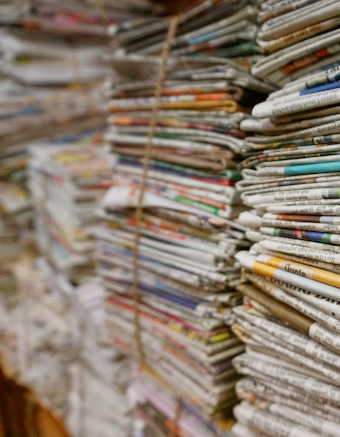
Are you interested in knowing more about Over issued newspapers, Excess newspapers, Unsold newspapers; Newspaper surplus, Old newspapers, Bulk newspapers, Newspaper recycling, Recycled newspaper, Waste paper or Newspaper waste? The newspaper industry has long played an important role in informing communities, businesses, and readers around the world. However, the production and distribution of printed publications can sometimes result in significant quantities of over issued newspapers. When more copies are printed than are ultimately sold or distributed, publishers, distributors, retailers, and wholesalers are left with a surplus of printed material that must be managed responsibly.
These excess newspapers can come from daily publications, weekly newspapers, promotional editions, special issues, and other printed media. While some may consider them simply unwanted products, unsold newspapers can have several practical applications and may represent a valuable source of recyclable fiber.
With growing awareness of sustainability and the circular economy, the management of newspaper surplus has become increasingly important. Instead of sending old newspapers directly to landfill, businesses can explore opportunities for reuse, resale, export, and newspaper recycling. Order bulk over-issued newspapers online.
What Are Over Issued Newspapers?
Over issued newspapers are newspapers that have been printed in quantities greater than the actual market demand. This can happen for several reasons, including inaccurate demand forecasting, changes in readership, canceled orders, distribution issues, or fluctuations in advertising and circulation.
Publishers often need to print enough copies to meet expected demand. However, predicting the exact number of newspapers that will be purchased can be difficult. As a result, excess newspapers may remain after the normal sales period has ended.
In many cases, these unsold newspapers are still clean, unused, and in good physical condition. Although they may no longer have significant value as current news publications, they can still have commercial value as paper products.
This is why over issued newspapers are increasingly viewed as a potential secondary resource rather than simply newspaper waste.
Why Does Newspaper Surplus / Waste paper Occur?
There are many factors that contribute to newspaper surplus. One of the most common is overproduction. Publishers may produce additional copies to ensure that retailers do not run out of newspapers during periods of high demand.
Seasonal events can also lead to excess newspapers. Elections, major sporting events, national celebrations, and breaking news can result in temporary increases in demand. Once the event has passed, however, remaining copies may become unsold newspapers.
Distribution problems are another possible cause. Newspapers may arrive late at retail locations, experience transportation delays, or be affected by changes in distribution networks. In such situations, old newspapers can quickly accumulate in warehouses and storage facilities.
For publishers and distributors, managing over issued newspapers efficiently can help reduce storage costs and minimize unnecessary newspaper waste.
What Happens to Unsold Newspapers?
The traditional approach to unsold newspapers has often involved collecting and disposing of them after their primary sales period. However, disposal is not always the most sustainable or commercially beneficial option.
Many old newspapers can be collected and processed through newspaper recycling systems. The paper fibers can be recovered and used to manufacture new paper products, packaging materials, and other recycled goods.
Another option is to sell bulk newspapers to companies that specialize in paper recovery, recycling, industrial applications, or international trade. Depending on their condition, volume, and location, over issued newspapers may be suitable for different end uses.
The key is to identify the best solution for each type of newspaper surplus rather than treating every remaining publication as ordinary waste paper.
The Value of Bulk Newspapers / Recycled newspaper
The availability of bulk newspapers can create opportunities for businesses involved in recycling and paper trading. Large quantities of newspapers can be collected from publishers, printing companies, distributors, warehouses, and retailers.
For recycling companies, purchasing excess newspapers in large quantities can provide a consistent supply of recoverable paper fiber. Similarly, companies involved in international trade may source over issued newspapers for buyers in markets where recycled paper and secondary raw materials are in demand.
The value of bulk newspapers depends on several factors. These may include the total quantity available, paper quality, moisture levels, contamination, packaging, transportation costs, and the intended end use.
Clean and dry unsold newspapers are generally easier to handle and process than material that has been exposed to moisture or contamination. Proper storage is therefore important when managing newspaper surplus.
Newspaper Recycling and Environmental Benefits
Newspaper recycling is one of the most practical ways to give printed publications a second life. Recycling helps recover valuable paper fibers while reducing the amount of material sent to landfill.
When old newspapers are collected for newspaper recycling, they can be sorted, processed, and transformed into recycled paper products. The recovered material can contribute to the production of new paper, packaging, and other applications.
Using recycled newspaper materials can also support the principles of the circular economy. Instead of treating newspapers as disposable products, the paper can remain within the production cycle for as long as the fibers remain suitable for reuse.
For companies managing over issued newspapers, recycling can therefore be both an environmental and operational strategy. It can reduce newspaper waste while creating opportunities to recover value from surplus inventory.
Recycled Over issued newspapers as a Secondary Raw Material
The demand for recycled newspaper has grown alongside wider interest in sustainable materials and responsible resource management. Many industries are looking for ways to reduce their dependence on virgin raw materials and increase the use of recovered paper.
In this context, over issued newspapers can become a source of secondary raw material. Once collected and properly processed, the paper can be used in various manufacturing and recycling applications.
The use of recycled newspaper also demonstrates how waste paper can be transformed into a useful resource. Instead of being discarded, newspapers can enter a recovery system where their material value is preserved.
For companies dealing with bulk newspapers, establishing reliable collection, sorting, and storage procedures can make the recycling process more efficient.
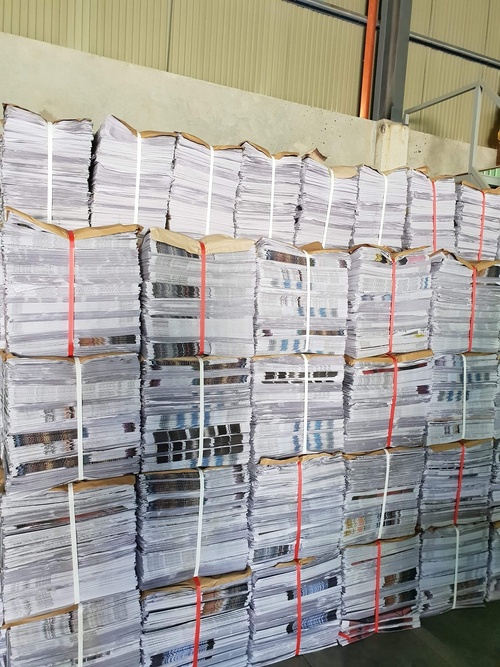
Reuse Opportunities for Old Newspapers / Over issued newspapers
Not every batch of old newspapers needs to go directly to a recycling facility. Depending on the condition and intended purpose, newspapers can sometimes be reused before being recycled.
Some businesses use excess newspapers for packaging, protective wrapping, cleaning, arts and crafts, educational activities, or other practical purposes. In certain markets, bulk newspapers may also be purchased for specialized industrial or commercial applications.
Reuse can be an effective way to extend the useful life of paper products before they ultimately become waste paper.
For companies holding unsold newspapers, identifying reuse opportunities can therefore be an important part of an effective surplus management strategy.
How Businesses Can Manage Newspaper Waste
Businesses that regularly handle printed publications should have a clear strategy for managing newspaper waste. The first step is to identify the quantity and condition of the available material.
Companies should separate clean and dry old newspapers from materials that are wet, contaminated, or mixed with unsuitable waste. Proper sorting can improve the potential value of the material and make newspaper recycling more efficient.
Businesses may also consider partnering with recycling companies, paper traders, or buyers specializing in bulk newspapers. Depending on the market, unsold newspapers may be sold or transferred rather than simply discarded.
Efficient management of over issued newspapers can help companies reduce storage requirements, lower disposal expenses, and improve their overall sustainability performance.
The Future of Over Issued Newspapers
The continued growth of digital media has changed the newspaper industry, but printed publications remain an important source of recyclable paper. As sustainability becomes a greater priority, the management of newspaper surplus is likely to receive increasing attention.
The future may involve more accurate printing forecasts, improved distribution systems, and better systems for collecting and processing excess newspapers. These developments can help reduce unnecessary production and minimize newspaper waste.
At the same time, the recycling sector can continue to create demand for recycled newspaper and other recovered paper materials. This creates an opportunity to transform over issued newspapers from a disposal challenge into a valuable secondary resource.
Companies that specialize in newspaper recycling and paper recovery can play an important role in this process by connecting surplus printed materials with appropriate end markets.
Conclusion
Over issued newspapers are an unavoidable consequence of producing printed publications in quantities designed to meet uncertain consumer demand. However, these materials do not necessarily need to become newspaper waste.
Through reuse, responsible collection, and newspaper recycling, excess newspapers can be given a second life. Unsold newspapers can be collected in bulk newspapers quantities, while old newspapers can become a source of recycled newspaper fiber and other useful materials.
For businesses, publishers, distributors, and recycling companies, managing newspaper surplus effectively can create both environmental and commercial opportunities. By treating waste paper as a resource rather than simply as waste, the industry can contribute to a more sustainable and circular approach to paper consumption.
Ultimately, the responsible management of over issued newspapers is about more than simply disposing of unwanted publications. It is about finding ways to reduce newspaper waste, recover valuable materials, encourage newspaper recycling, and create new opportunities for recycled newspaper products and bulk newspapers markets.