
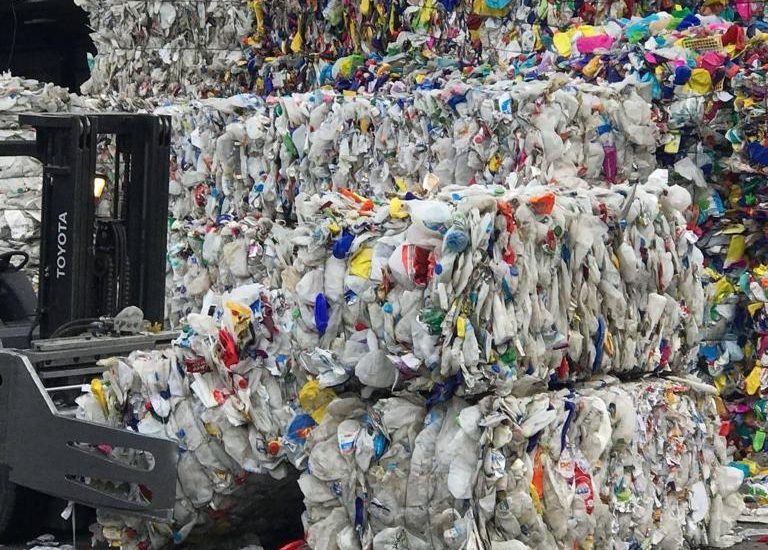
In today’s fast-evolving recycling economy, what was once considered waste is now one of the fastest-growing commodities in the global materials market. PET bottle scrap has transformed from landfill burden into a profitable resource driving sustainability, manufacturing, and international trade. With rising demand for recycled materials and stricter environmental regulations worldwide, businesses are discovering that plastic waste can truly become wealth.
This article explores how recycled PET (PET) is reshaping industries, why demand is surging, and how entrepreneurs can capitalize on the booming plastic recycling industry.
Understanding PET Bottle Scrap
Polyethylene Terephthalate (PET) is widely used in beverage bottles, food packaging, and consumer goods due to its durability, lightweight properties, and recyclability. After use, these bottles enter the waste stream as post-consumer PET scrap.
When properly collected and processed, PET scrap is washed, shredded with the help of a Shaft Shredder, and converted into flakes or pellets known as PET granules. These materials are then reused in:
- New beverage bottles
- Food-grade packaging
- Textile fibers (polyester)
- Strapping materials
- Automotive components
The ability to recycle PET multiple times makes it one of the most valuable materials in the circular economy.
Why PET Bottle Scrap Is a Billion-Dollar Opportunity
1. Surging Global Demand for Recycled Plastics
Governments and corporations are setting aggressive sustainability targets. Many global brands have pledged to use higher percentages of food-grade PET in packaging. This shift has dramatically increased demand for high-quality PET bottle flakes and pellets.
As a result, the PET market demand continues to grow year after year, creating consistent opportunities for scrap suppliers and traders.
2. Strong PET Scrap Prices
Unlike many waste materials, PET scrap prices remain relatively strong due to stable industrial demand. Clear PET bottles, in particular, command premium pricing because they can be converted into high-quality recycled packaging.
Key factors influencing pricing include:
- Color (clear PET has highest value)
- Contamination level
- Bale density
- Regional supply-demand balance
- Oil and virgin plastic prices
For traders, understanding PET scrap market trends can significantly increase profitability.
3. Expanding Export Opportunities
The PET scrap export market offers substantial opportunities, especially in regions with limited recycling infrastructure but strong manufacturing demand. Many countries import:
- Clean PET bottle bales
- Washed PET flakes
- rPET pellets
Businesses that meet international quality standards can tap into lucrative cross-border trade and secure long-term contracts.
The Recycling Process: Turning Bottles into Revenue
The journey from waste to wealth involves several stages:
Collection & Sorting
Bottles are collected from households, commercial centers, and industrial facilities. Proper <u>plastic waste management</u> systems ensure higher recovery rates.
Washing & Shredding
Bottles are cleaned and processed into hot washed PET flakes, removing labels, adhesives, and contaminants.
Pelletizing
Flakes are melted and converted into recycled PET pellets, ready for manufacturing use.
Each stage adds value, allowing businesses to operate at different levels of the PET recycling business depending on investment capacity.
Environmental Benefits Driving Growth
Beyond profits, PET recycling plays a critical environmental role:
- Reduces landfill waste
- Lowers carbon emissions compared to virgin plastic production
- Conserves fossil fuels
- Supports sustainable packaging solutions
Companies adopting sustainable plastic recycling practices not only reduce environmental impact but also strengthen their brand image in eco-conscious markets.
How to Start a Profitable PET Scrap Business
If you’re considering entering this sector, here are essential steps:
1. Market Research
Analyze local supply availability and assess global PET scrap demand.
2. Choose Your Business Model
You can operate as:
- Scrap collector
- Bale supplier
- Flake producer
- Pellet manufacturer
- Export trader
3. Secure Reliable Supply
Consistent access to high-quality post-consumer plastic waste ensures stable operations.
4. Maintain Quality Standards
International buyers prioritize low contamination and proper moisture control in plastic scrap trading.
Challenges to Take into Consideration
While profitable, the industry has some challenges that follows its wealth generation:
- Price volatility linked to oil markets
- Contamination issues
- Regulatory changes
- Competition in high-demand regions
However, businesses that invest in technology, compliance, and quality control can gain a competitive edge in the growing global recycling market.
The Future of PET Bottle Scrap
The shift toward sustainability is no longer optional — it is an economic necessity. With rising environmental awareness and mandatory recycled content laws in many regions, the demand for recycled plastic materials will continue to expand.
Industry analysts predict steady growth in PET production, especially for food and beverage packaging. Companies that position themselves early in the PET recycling supply chain stand to benefit the most.
Conclusion: Waste Is the New Raw Material
The perception of plastic waste is changing rapidly. What was once discarded is now recognized as a high-value commodity. PET bottle scrap represents more than just recyclable material — it is a strategic business opportunity aligned with global sustainability goals.
For entrepreneurs, traders, and manufacturers alike, the message is clear: The future belongs to those who can turn waste into wealth.
Also read about ‘what makes red bull special“. We sell products like Nido powder milk, Nutella Chocolate Wholesale, Rapeseed Oil wholesale, Wood pellets wholesale, AC & Fridge compressor scrap; AXE Body Spray at Wholesale, Coca Cola Cans Wholesale, Dove Deodorant Roll Wholesale; Heineken Beer Wholesale, Over Issued Newspaper Wholesale, Sunflower Oil Wholesale.